Cosmic Ray Detection

Cosmic rays are high-energy particles-mostly protons and alpha particles-that constantly bombard Earth from deep space. Though invisible to the naked eye, they carry vital clues about the most energetic and violent phenomena in the cosmos.

CAPIBARA's Cosmic Ray mission is an instrument integrated into the OBA FARADAY CubeSat by OBA Space. The detector is designed to detect particles from low Earth orbit and is a 100% student-led initiative.

Detectors

The instrument will be capable of detecting protons and alpha particles using 2 detectors:

  • Time-of-Flight Detector
  • Charge Detector (potentially)

Each detector provides different information about a cosmic ray particle, allowing for more research and characterization of their composition and behavior.
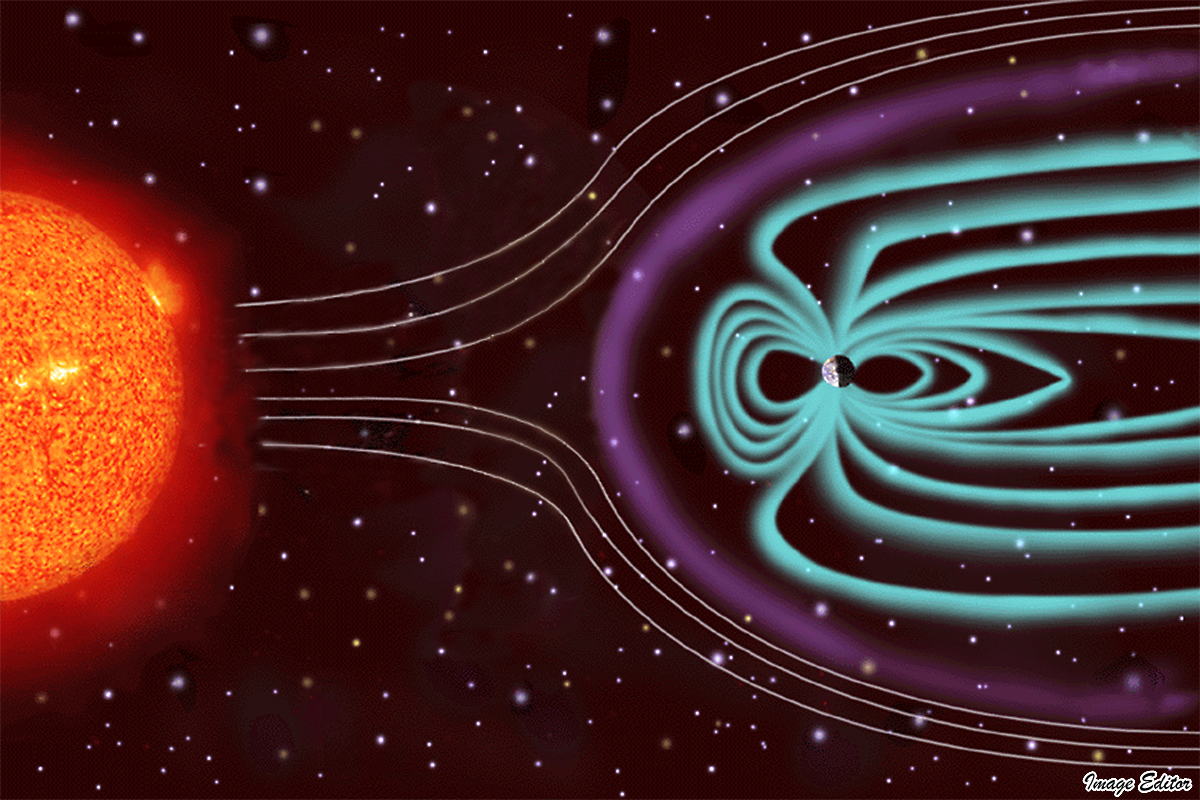
Illustration of solar wind

Research Highlight: Solar Cosmic Rays

Learn More

Mission Snapshot

Instrument

Integrated into the OBA FARADAY CubeSat by OBA Space and fully student-led.

Orbit

  • LEO/SSO
  • Altitude: ~500 km
  • Inclination: 50-60 deg

Parameters are preliminary and subject to SPARK decisions.

Research Focus

Distinguish solar PCRs from extra-solar cosmic radiation using orbital and latitude data.

Research Focus

Primary Cosmic Rays (PCRs) generally originate from high-energy events, but particles from solar wind-ejected from the Sun's corona-pose real risks to satellites and human spaceflight.

This project aims to distinguish between PCRs from the Sun and those from beyond the solar system. By comparing radiation levels detected in Earth's day-side and night-side orbits, combining this with latitude data, we intend to characterize solar PCRs, which are expected to show lower energies and velocities. We use particle detection techniques, analyze magnetic fields, and study orbital trajectories to track solar PCRs and differentiate them from non-solar cosmic radiation.

Corresponding authors: Marti Delgado Farriol

Why Solar PCRs Matter

Comparing day-side and night-side measurements helps us separate solar signatures from background cosmic rays.

Explore Methods

Why Does It Matter?

Cosmic rays could help us understand the origins of supernovae, black holes, and even dark matter. With this mission, we take a leap forward in space weather forecasting, particle astrophysics, and science education-all while showing what students are capable of in real space research.

Donate!

Status of PLD Space's SPARK Program

We were recently notified by our payload hosters (OBA FARADAY Team) that the SPARK program is currently in hold by PLD Space, Center for technological development and innovation (CDTI, acronym in Spanish) and Spanisch Space Agency (AEE, acronym in Spanish). Awaiting for a potential interests conflict resolution we, together with our partners, are still working on the development of our instruments. Nevertheless, we have reduced the pace of our progress and will wait for new notifications before kicking off the funding campaign and manufacturing of the instrument.